Budget Friendly Interior Design Ideas for Your First Home
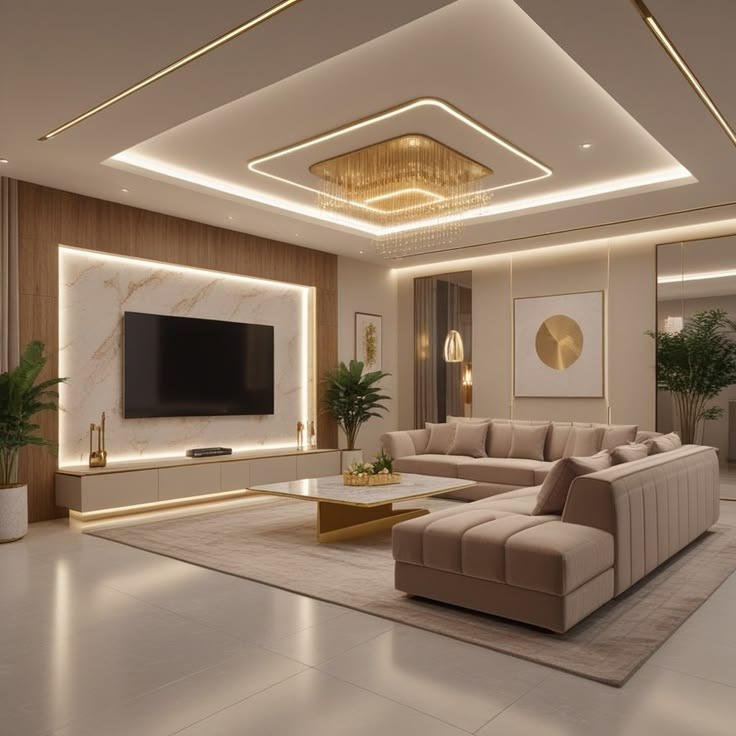
Buying your first home is one of life's biggest milestones. After years of planning and saving, you finally have a space to call your own. The excitement of decorating every room is unmatched, but it's also where many homeowners make expensive decisions that could have been avoided.
The good news? Creating a stylish, functional, and comfortable home doesn't mean spending a fortune. With the right planning and smart design choices, you can achieve a premium looking interior while staying within your budget.
This first home interior guide will walk you through practical, budget friendly interior design ideas, essential planning tips, and the most common interior design mistakes to avoid.
Why Planning Matters Before You Start Designing
Many homeowners begin by shopping for furniture or selecting paint colors. However, professional interior designers always start with a plan.
Before purchasing anything, consider:
Your total interior budget
Lifestyle and daily routine
Family size and future needs
Room functionality
Storage requirements
Available natural lighting
Planning helps prevent unnecessary expenses and ensures every purchase adds value to your home.
Budget Friendly Interior Design Ideas That Actually Work
Prioritize Essential Furniture First
Instead of furnishing every room immediately, focus on the essentials.
Start with:
Sofa
Bed
Dining table
Wardrobes
Study desk (if required)
Decorative pieces can always be added later as your budget allows.
Invest More in Permanent Elements
Some items are expensive to replace later.
Spend wisely on:
Modular kitchen
Wardrobes
Electrical fittings
Lighting
Flooring
Quality hardware
These elements impact both durability and everyday comfort.
Choose Neutral Colors
Neutral shades never go out of style and make your home feel brighter and more spacious.
Popular choices include:
Warm white
Beige
Light grey
Soft cream
Sand tones
These colors also make it easier to change décor without repainting your home.
Maximize Natural Light
Natural light instantly makes interiors look more luxurious.
Simple ways to improve lighting:
Use sheer curtains
Avoid bulky furniture near windows
Add mirrors opposite windows
Choose light colored walls
Bright homes often feel larger than they actually are.
Use Multi Functional Furniture
Smart furniture helps maximize both space and budget.
Examples include:
Storage beds
Foldable dining tables
Ottoman seating with storage
Sofa cum beds
Nesting tables
These are especially useful for apartments and compact homes.
Add Personality Through Accessories
You don't need expensive décor to make your home feel unique.
Affordable additions include:
Indoor plants
Cushions
Rugs
Wall art
Family photographs
Decorative lighting
Small details often make the biggest visual impact.
Interior Design Tips for New Homeowners
Design One Room at a Time
Trying to complete the entire house at once often leads to rushed decisions.
Finish the most-used spaces first:
Living room
Kitchen
Master bedroom
Then gradually move to guest rooms and decorative areas.
Measure Everything Before Buying
Always measure:
Doorways
Room dimensions
Window heights
Furniture placement
Many homeowners purchase furniture that doesn't fit through the entrance or overwhelms the room.
Focus on Storage Early
Insufficient storage quickly creates clutter.
Consider:
Floor to ceiling wardrobes
Hidden storage benches
Modular kitchen cabinets
Floating shelves
Well planned storage keeps your home organized for years.
Create a Consistent Design Theme
Choose one design style and follow it throughout the house.
Popular options include:
Modern
Scandinavian
Contemporary
Minimalist
Traditional
Japandi
Consistency creates a polished and luxurious appearance.
A Step-by-Step Interior Design Checklist for Your First Home
Step 1: Set Your Budget
Separate your budget into:
Furniture
Modular work
Lighting
Paint
Décor
Contingency fund
Step 2: Finalize Your Layout
Plan furniture placement before purchasing anything.
This avoids unnecessary rearrangements later.
Step 3: Choose Your Color Palette
Select colors that complement:
Flooring
Furniture
Curtains
Lighting
Wall finishes
A cohesive palette creates visual harmony.
Step 4: Plan Lighting
Layer your lighting using:
Ambient lighting
Task lighting
Accent lighting
Proper lighting dramatically enhances the overall look of your home.
Step 5: Install Storage Solutions
Complete wardrobes, kitchen cabinets, and storage units before moving in.
It is much easier than installing them later.
Step 6: Add Décor Gradually
Take your time selecting artwork, rugs, cushions, plants, and decorative accessories.
Your home should evolve naturally instead of feeling overcrowded.
Common Interior Design Mistakes to Avoid
Buying Everything at Once
Rushing purchases often leads to regret.
Take time to compare quality, pricing, and functionality before investing.
Ignoring Lighting
Even expensive interiors can look dull under poor lighting.
Combine natural light with layered artificial lighting for the best results.
Choosing Style Over Comfort
A beautiful sofa isn't useful if it's uncomfortable.
Balance aesthetics with functionality.
Following Every Trend
Trends change quickly.
Instead, invest in timeless furniture and use accessories to introduce trendy colors or patterns.
Not Planning Storage
One of the biggest mistakes first-time homeowners make is underestimating storage needs.
Always plan extra storage for future requirements.
Overspending on Decorative Items
Expensive décor doesn't necessarily create better interiors.
Instead, prioritize quality furniture, good lighting, and durable finishes before investing in luxury accessories.
Why Hiring an Interior Designer Can Save You Money
Many homeowners assume hiring an interior designer increases costs. In reality, experienced designers often help clients save money by:
Preventing costly mistakes
Optimizing available space
Selecting durable materials
Planning efficient layouts
Managing budgets effectively
Recommending trusted suppliers
Professional planning often reduces unnecessary spending while delivering a more polished result.
Final Thoughts
Your first home should reflect your personality without putting unnecessary pressure on your finances. By following smart, budget-friendly interior design ideas, planning carefully, and avoiding common mistakes, you can create a home that is beautiful, functional, and built to last.
Remember, great interior design isn't about spending more it's about making thoughtful decisions. Prioritize quality where it matters, design one room at a time, and let your home evolve naturally as your needs grow.
At Timberlane Interiors, we help first-time homeowners create premium interiors that balance style, comfort, functionality, and budget. With expert planning and customized solutions, your dream home can become a reality without unnecessary expenses.
Ready to Design a Home That Feels Like You?
Connect with Timberlane today and let us transform your vision into a beautifully designed living experience.
Start Your Journey