Home Design Psychology: More Than Just Beautiful Interiors
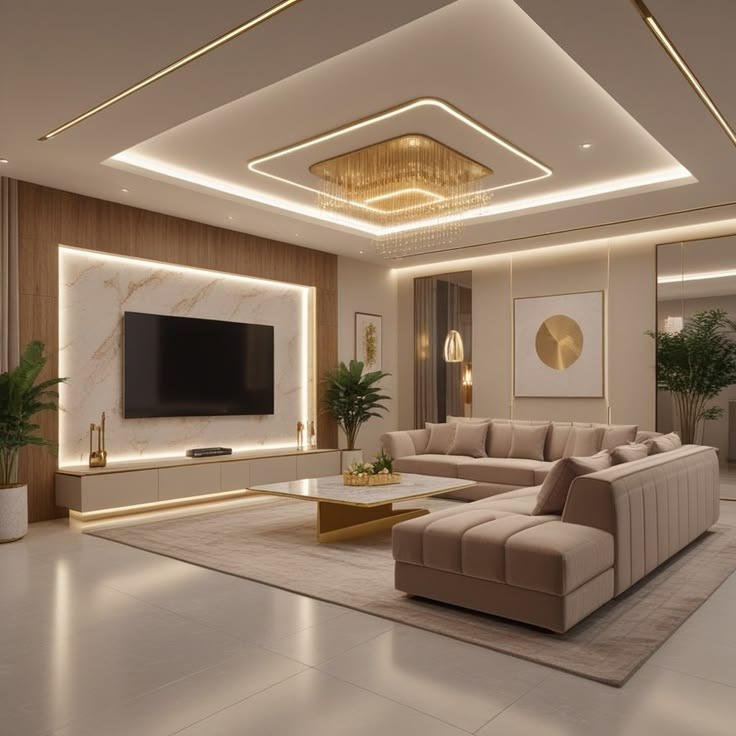
Your home is much more than a place to live it's where you begin your mornings, unwind after a long day, spend quality time with your family, and create lifelong memories. While furniture, lighting, and décor all contribute to a beautiful home, one of the most powerful yet often overlooked elements is color.
This is where home design psychology becomes important. The colors you choose for your walls, furniture, décor, and accessories can influence your emotions, energy levels, productivity, and even your sleep quality. A thoughtfully designed color palette can make your home feel calm, welcoming, energetic, or luxurious, depending on your needs.
Understanding color psychology in interior design allows homeowners to create spaces that not only look aesthetically pleasing but also enhance everyday living.
What Is Color Psychology in Interior Design?
Color psychology in interior design is the practice of understanding how different colors affect human emotions, behaviors, and perceptions within a living space. Interior designers use these principles to create environments that support the purpose of each room.
For example, calming colors work well in bedrooms because they promote relaxation, while energetic colors are ideal for social spaces like dining rooms or kitchens. Productive environments such as home offices benefit from colors that encourage focus and creativity.
Rather than selecting colors based only on current trends, professional designers choose shades that complement the home's architecture, lighting conditions, and the lifestyle of the people living there.
Why Color Psychology Matters for Every Home
Many homeowners select paint colors because they look attractive on social media or in design magazines. However, colors interact differently depending on room size, natural lighting, furniture, flooring, and personal preferences.
Here are a few reasons why color psychology for home is essential:
Creates a relaxing and welcoming atmosphere.
Helps reduce stress and improve emotional well-being.
Enhances focus and productivity in workspaces.
Encourages better sleep in bedrooms.
Makes small rooms feel larger and spacious.
Adds warmth and comfort to living areas.
Creates a balanced environment for every family member.
The right color choices can completely transform the way you experience your home every day.
How Colors Affect Your Mood at Home
Blue Calm and Peaceful
Blue is widely known for its calming effect. It helps reduce stress, encourages relaxation, and improves concentration, making it one of the best choices for bedrooms and home offices.
Best suited for:
Bedrooms
Home offices
Reading corners
Study rooms
Green Balance and Freshness
Green represents nature and creates a refreshing environment. It promotes emotional balance while reducing eye strain, making it ideal for spaces where people spend long hours.
Best suited for:
Living rooms
Bedrooms
Home offices
Indoor relaxation spaces
Yellow Positivity and Energy
Yellow brings warmth, optimism, and happiness into a room. However, it works best when used as an accent color rather than covering an entire room with bright shades.
Best suited for:
Kitchens
Breakfast areas
Entryways
Accent walls
White Simplicity and Spaciousness
White reflects light, making rooms appear larger and brighter. It creates a clean and modern appearance, although pairing it with wooden textures or warm décor helps prevent the space from feeling too sterile.
Best suited for:
Small apartments
Minimalist homes
Modern interiors
Grey Sophistication and Elegance
Grey adds a timeless and luxurious feel to interiors. When balanced with natural materials, warm lighting, and soft furnishings, it creates an elegant yet comfortable atmosphere.
Best suited for:
Living rooms
Dining areas
Contemporary interiors
Beige and Earth Tones Warm and Comfortable
Neutral colors create a welcoming atmosphere that never goes out of style. They also provide flexibility when changing furniture or décor over time.
Best suited for:
Living rooms
Bedrooms
Family spaces
Open plan homes
Red Passion and Excitement
Red stimulates energy and conversation, making it suitable for areas where families gather. Since it is an intense color, designers often recommend using it in moderation.
Best suited for:
Dining rooms
Feature walls
Decorative accents
Color Psychology for Home: Room by Room Guide
Living Room
The living room should feel inviting, warm, and comfortable.
Recommended colors:
Warm beige
Soft grey
Olive green
Earthy browns
Bedroom
A bedroom should encourage relaxation and restful sleep.
Recommended colors:
Soft blue
Sage green
Lavender
Warm neutrals
Kitchen
The kitchen benefits from colors that feel fresh, clean, and energetic.
Recommended colors:
White
Cream
Soft yellow
Light green
Home Office
A productive workspace should improve concentration without feeling overwhelming.
Recommended colors:
Blue
Green
Muted grey
Soft white
Children's Room
Children's rooms should balance creativity with comfort.
Recommended colors:
Mint green
Pastel blue
Peach
Soft yellow
Common Color Mistakes That Can Affect Your Mood
Following Trends Without Considering Your Lifestyle
A trendy paint color may look stunning online but might not suit your home's lighting or your daily routine. Always choose colors based on how you want each room to feel.
Ignoring Natural Light
Natural light changes throughout the day, affecting how colors appear. Always test paint samples during different times before making a final decision.
Using Too Many Bold Colors
Combining several bright colors in one space can create visual clutter and make the room feel overwhelming. Balance bold shades with neutral tones.
Choosing the Same Color for Every Room
Using one color throughout the house can make interiors feel repetitive. Instead, create a cohesive palette with subtle variations that suit each room's purpose.
Forgetting About Furniture and Décor
Wall colors should complement your flooring, furniture, curtains, and decorative accessories. A well balanced color palette creates harmony throughout the home.
Creating Emotional Balance Through Interior Color Psychology
Professional interior designers don't simply choose beautiful colors they create experiences. Every color selection is based on how a room should function and how the people using it should feel.
Factors designers consider include:
Natural lighting
Room size
Ceiling height
Furniture placement
Family lifestyle
Existing décor
Future flexibility
This thoughtful approach helps create interiors that are visually appealing while supporting comfort, productivity, and emotional well being.
Final Thoughts
A beautifully designed home isn't defined by expensive furniture or luxurious décor alone. The colors surrounding you every day have a significant impact on your mood, energy, and overall quality of life.
By understanding home design psychology and applying the principles of color psychology in interior design, you can create spaces that are not only stylish but also emotionally enriching. Whether you're renovating your home or designing a new one, choosing the right colors is one of the smartest investments you can make.
At Timberlane Interiors, we believe every home should reflect your personality while enhancing the way you live. Our design experts carefully curate color palettes that balance aesthetics, comfort, and functionality, ensuring every room feels as good as it looks.
Ready to Design a Home That Feels Like You?
Connect with Timberlane today and let us transform your vision into a beautifully designed living experience.
Start Your Journey